Green Initiatives: How E-Waste Recycling Services Are Protecting Our Planet
E-waste poses significant threats to the environment, as abandoned electronic devices commonly carry harmful materials. Such dangerous compounds can pollute soil and water supplies, resulting in widespread environmental harm. E-waste recycling initiatives provide a practical answer. They successfully retrieve useful resources while simultaneously minimizing environmental pollution. Comprehending the operation of these services and their influence on communities is of great importance. Pursuing efficient e-waste management brings forth pressing questions regarding individual duties and shared responsibility. What measures can be pursued from this point onward?
Why Electronic Waste Is Harmful to the Planet
Although technological advancements improve modern life, e-waste creates significant environmental threats. Discarded electronic devices, frequently composed of dangerous compounds like lead, mercury, and cadmium, may release harmful substances into the surrounding soil and water supply, posing risks to both wildlife and human well-being. The swift progression of technology contributes to increased consumer turnover of electronics, intensifying the growing problem of e-waste.
Landfills, already overwhelmed with refuse, find it difficult to handle the increasing amounts of discarded devices. Incineration, a common waste management technique, emits dangerous pollutants into the environment, degrading atmospheric conditions. Furthermore, inadequate recycling methods can result in the shipment of electronic waste to underdeveloped nations, where workers may break down equipment without proper protective measures, putting themselves at risk of exposure to hazardous materials. This ongoing cycle of carelessness and inadequate management emphasizes the pressing necessity for responsible recycling initiatives that can lessen the harmful consequences of e-waste on our world.
Understanding E-Waste and Its Significance
E-waste, or electronic waste, encompasses unwanted electronic equipment like televisions, computers, and smartphones that have exceeded their operational lifespan. This increasingly prevalent form of waste is important owing to its accelerating volume, fueled by innovation in technology and shifting consumer habits. As growing numbers of electronics become outdated, the ecological consequences become more pronounced, with dangerous elements including lead, mercury, and cadmium presenting serious hazards to the environment and human well-being.
The significance of tackling e-waste extends beyond minimizing these risks to recognizing the valuable resources it holds. Critical metals and rare earth components can be reclaimed and recycled, decreasing the reliance on mining and protecting natural resources. By understanding e-waste and its implications, individuals and organizations can make informed decisions about disposal and recycling, ultimately contributing to a more sustainable future. Proper management of e-waste is essential for fostering a circular economy and promoting environmental stewardship.
The Way E-Waste Recycling Functions
E-waste recycling entails a structured approach designed to recover valuable materials while minimizing environmental impact. To begin, discarded electronics are retrieved and sent to specialized recycling facilities. Once there, the devices undergo thorough sorting to separate hazardous components from recyclable materials.
Next, workers take apart the devices, recovering metals, plastics, and glass. This stage is crucial, as it facilitates the recovery of precious metals like silver, gold, and copper, which are repurposed in modern electronics.
Next, the sorted materials are handled via state-of-the-art techniques, such as shredding and chemical treatments, to cleanse them for repurposing.
In the final step, the residual dangerous materials are managed properly, adhering to environmental regulations. This multi-step approach not only saves important resources but also reduces the dangers associated with unsafe e-waste handling, guaranteeing a greener future for electronic device usage.
Advantages of E-Waste Recycling for You and Your Community
While many individuals may not realize it, the benefits of e-waste recycling extend beyond personal convenience to positively impact entire communities. By properly recycling electronic waste, individuals play a role in creating a safer environment, minimizing toxic components that can seep into soil and water. This responsible method works to protect local ecosystems and supports public health.
Moreover, the recycling of e-waste encourages workforce growth within communities. Regional recycling centers frequently need staff for a range of functions, covering everything from collection to processing, thereby providing employment opportunities for local residents. This not only boosts the local economy but also inspires community dedication to sustainable efforts.
In addition, knowledge about e-waste recycling has the potential to generate educational initiatives, enabling residents to adopt eco-friendly choices. By enrolling in e-waste recycling programs, individuals nurture a culture of sustainability, motivating others to follow suit. In summary, the shared impact of these actions can lead to a more sustainable and conscientious community.
Tips for Choosing an E-Waste Recycling Service
Selecting the most suitable e-waste recycling service is essential for ensuring that electronic refuse is managed in a responsible and sustainable manner. Initially, people should check the service's credentials, such as R2 and e-Stewards certifications, which signify conformance to professional guidelines for safe recycling practices. It's also important to examine the company's credibility by reviewing feedback and seeking referrals from reliable sources.
Next, transparency in the recycling process is vital. A reliable service should provide clear information Go here about the manner in which e-waste is managed and how the materials are utilized. Moreover, evaluating the range of services offered can be beneficial; certain providers may offer collection services or present rewards for recycling.
Finally, familiarizing yourself with area-specific requirements for e-waste disposal can help inform the decision-making process. When these considerations are given priority, residents can actively participate in successful electronic waste reduction as well as promoting eco-friendly habits.
Ways You Can Participate in E-Waste Recycling?
Engaging in e-waste recycling often starts at the local level, where recycling centers regularly supply essential services for safe disposal. Furthermore, taking part in community awareness campaigns can strengthen efforts to educate others about the importance of proper e-waste handling. Such efforts not only encourage sustainable practices but also foster a collective sense of stewardship of the environment.
Area Recycling Stations
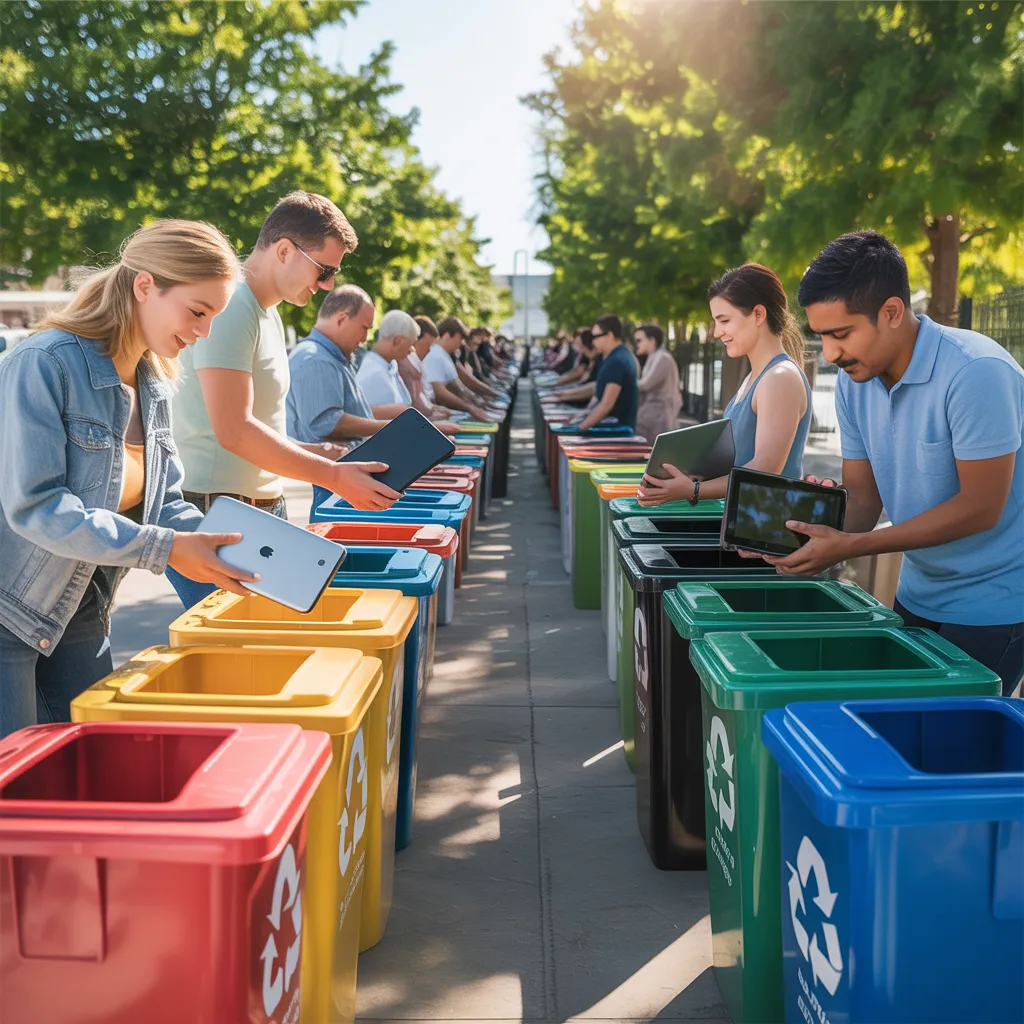
Many neighborhood recycling stations serve a vital function in electronic waste recycling, supplying communities with reliable ways to dispose of electronic waste responsibly. These centers accept a variety of digital devices, including used computers, handheld devices, and televisions, guaranteeing that dangerous substances are processed safely. Most centers are equipped with trained staff who support individuals in understanding proper disposal practices, underscoring the benefits of recycling compared to landfilling. Additionally, numerous facilities provide scheduled drop-off occasions or specific collection dates, making it easy for residents to participate. By taking advantage of these neighborhood resources, community members advance a circular economy, minimizing ecological impact and fostering sustainable behaviors. Connecting with these stations encourages communities to fight e-waste pollution decisively.
Community Education Campaigns
Community groups, educational institutions, and companies can partner to arrange initiatives that encourage e-waste collection drives. Volunteers can play a pivotal role in raising awareness, sharing informational resources, and connecting with local residents. Through these collective efforts, local inhabitants gain greater awareness and encouragement to properly recycle their e-waste, thus playing a meaningful role in creating a more environmentally responsible future.
Common Questions and Answers
What Types of Electronics Can Be Recycled?
Various electronics are able to be recycled, including computers, smartphones, televisions, laptops, gaming consoles, and printers. Furthermore, ancillary devices such as batteries, keyboards, and mice are equally appropriate for recycling, aiding in efforts to conserve the environment.
Is There a Cost Associated With E-Waste Recycling?
Yes, e-waste recycling can include fees, based on the facility. Certain providers charge fees for gathering or treatment, while other facilities make services available at no charge, typically funded by the proceeds from salvaged materials.
How Can Businesses Benefit From E-Waste Recycling?
Companies can take advantage of e-waste recycling by lowering disposal expenses, enhancing their environmental image, meeting compliance standards, extracting valuable resources, and creating potential earnings via resale, ultimately contributing to a more sustainable operational strategy.
What Becomes of Data on Recycled Devices?
Data from refurbished equipment is commonly irretrievably wiped or obliterated during the refurbishment process. This guarantees confidential data remains secure, stopping improper access while allowing materials to be reused safely and responsibly across new manufacturing processes.
Is It Possible to Recycle Damaged Electronics?
Yes, damaged electronics are able to be recycled. A wide range of centers take in damaged devices, providing safe disposal and recovery of valuable materials. It helps minimize the environmental footprint while promoting sustainable recycling habits to address electrical waste properly.